"New lessons in not stopping"
A look back at the last year and (god help me) an inspirational quote

Happy new year everyone!
I know what you’re thinking. Christiana, honey, it’s April. Taxes are due. You should do your taxes.
Well, keep your judgements to yourselves, because I know what all New Orleanians know—the new year doesn’t start until after Mardi Gras. And instead of snow flurries and melting ice, it ushers in termite flurries (yes, termite flurries) and blooming jasmine.
After a dizzyingly quick Mardi Gras season, and in the midst of this wonderfully long spring, I sat down to take stock of this past year. While I am grateful to have had the opportunity to work with so many publications I’ve aspired to collaborate with for years (I’ve linked to some of those stories below), it was still a tough year, and I’m seeing more and more photojournalists discuss how difficult it is to stay afloat. In some ways, it’s a comfort to know I’m not alone. But it’s also scary to see so many people, who are much more established than me, struggling to make ends meet.
Not to sound like a broke Carrie Bradshaw, but with mass media layoffs, stagnant day rates, false promises of non-profits saving the industry and the continued gutting of local news, I have to wonder: how long can the center hold?
I don’t know the answer to this (if you do, please tell me). But in these moments, I am grateful for the beautiful community of freelancers I have here and around the country who celebrate each other’s successes, share resources, look over projects, commiserate when work is slow and pass along gigs when it’s not. Anything I’ve accomplished is thanks to the support of so many—from the professors who pushed me to be a better journalist and editors who gave up their free time to coach workshops, to photo friends who encourage each other even when the state of our industry can be discouraging. And it can be. I don’t know a single freelancer who makes their money solely from editorial work, most everyone takes commercial gigs, makes portraits, works for nonprofits or has non-photo-related income of some kind.
I chose this work to be present with people in all kinds of moments that make up a life. I love the process and the attention it demands, even (maybe especially) when documenting difficult stories. While I can’t control how often I get assignments or what kind of impact they’ll have, I can continue to make work I care about.
There are still ways forward, though they might not look the way we imagined. There is big grief in that, but also—I remind myself—possibility.
If you’re similarly seeking hope and a way forward, there is an essay from Alexander Chee I return to when my work seems futile. It’s written for writers, but I think it applies:
“We don’t know how the world will end. If it ever does, we will be better served when it does by having done this work we do.
I have new lessons in not stopping, after the election. If you are reading this, and you’re a writer, and you, like me, are gripped with despair, when you think you might stop: Speak to your dead. Write for your dead. Tell them a story. What are you doing with this life? Let them hold you accountable. Let them make you bolder or more modest or louder or more loving, whatever it is, but ask them in, listen, and then write. And when war comes—and make no mistake, it is already here—be sure you write for the living too. The ones you love and the ones who are coming for your life. What will you give them when they get there?”
If you’ve made it this far, thanks for reading. I’d like to share some work I’m proud of from the last year. I hope you’ll spend some time with it if you haven’t already.
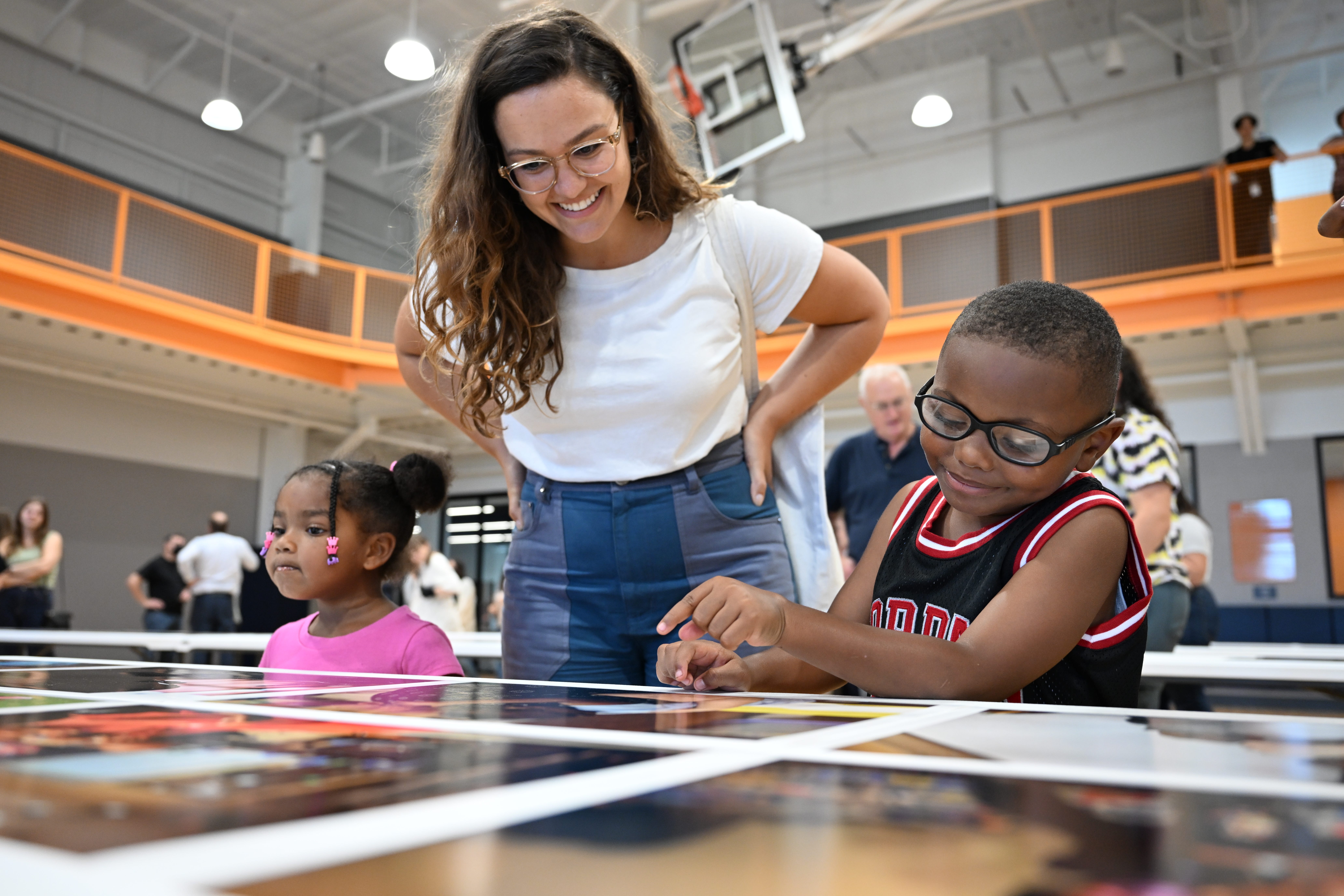
Last fall, I took part in the Missouri Photo Workshop and got to spend a week with a very special kid named Carter. It was the most rewarding workshop I’ve ever been a part of. You can see that work here, and here’s a bonus photo of Carter and I at the community show in Sedalia, Missouri:
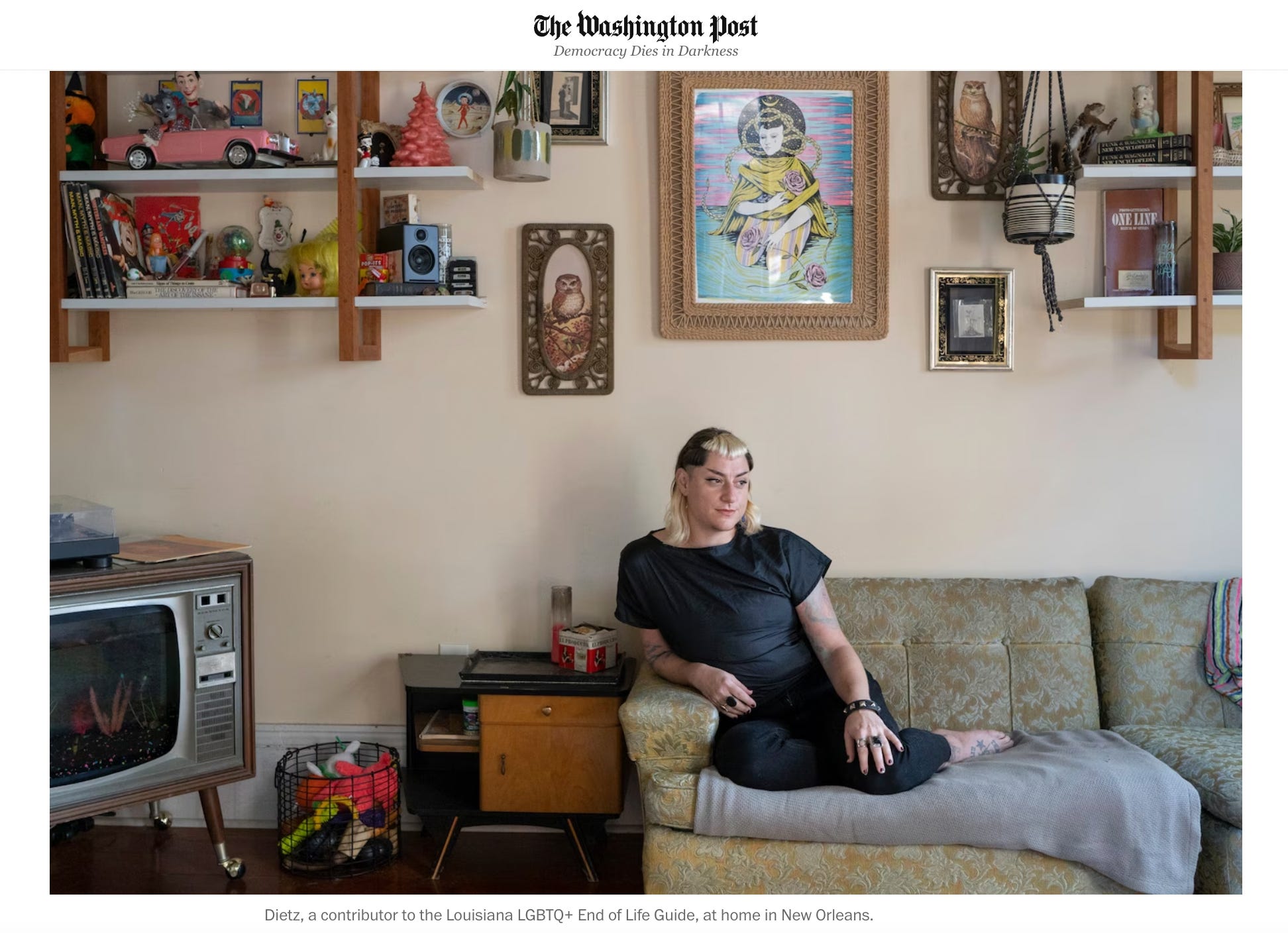
I pitched and published two stories with The Washington Post last year. The first is about death care workers in Louisiana who who wrote an end of life guide LGBTQ+ people, which is the first of its kind in the country:
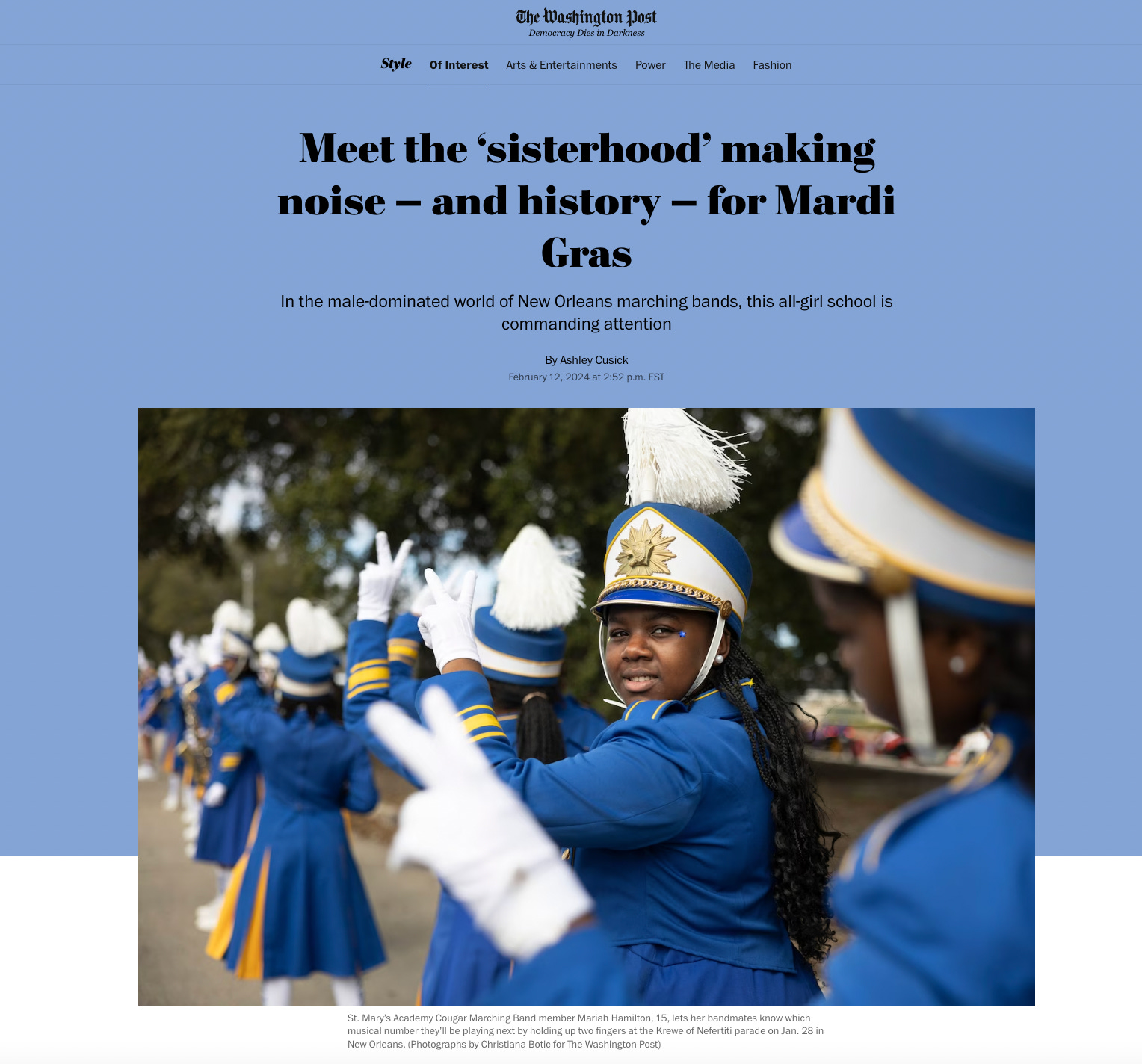
The second is about the continuing legacy of the first Black, all girls marching band in the city. Watching local bands is my favorite part of the Mardi Gras season, so it was an honor to march alongside them:
Here’s a look at a few other stories I was proud to contribute to:
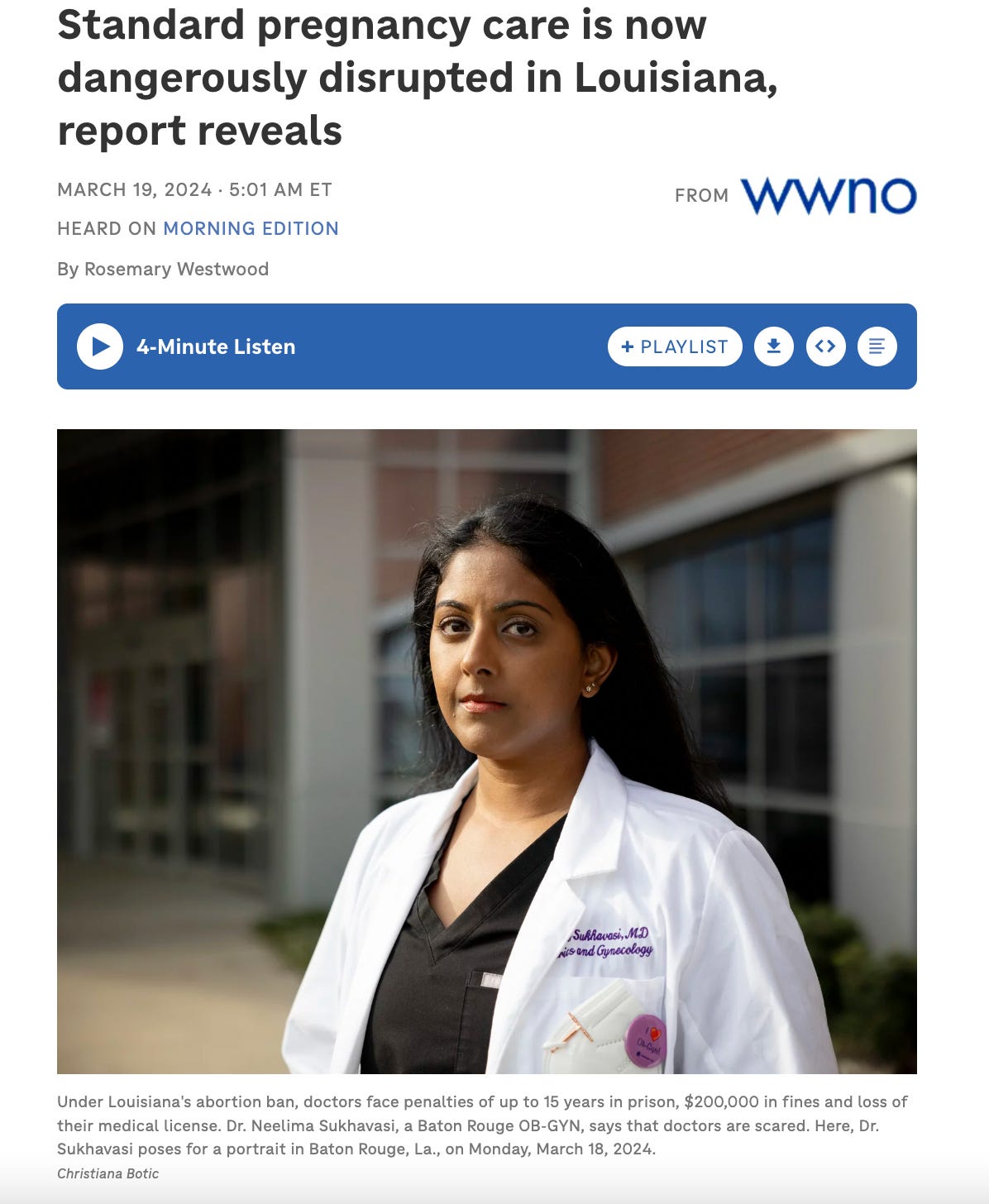
A recent NPR report on pregnancy care in Louisiana since Roe v. Wade was overturned:
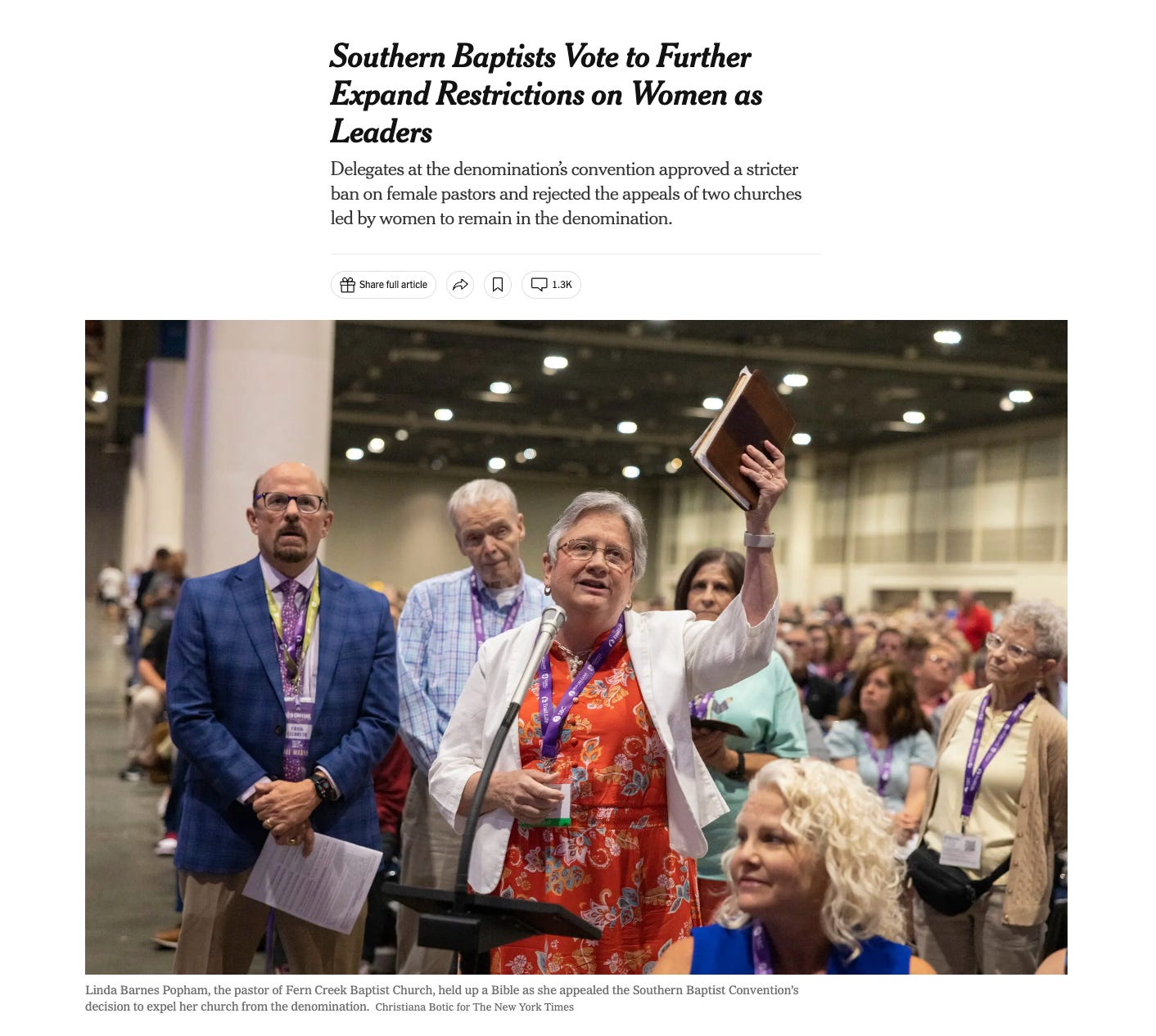
The 2023 Southern Baptist Convention for The New York Times:
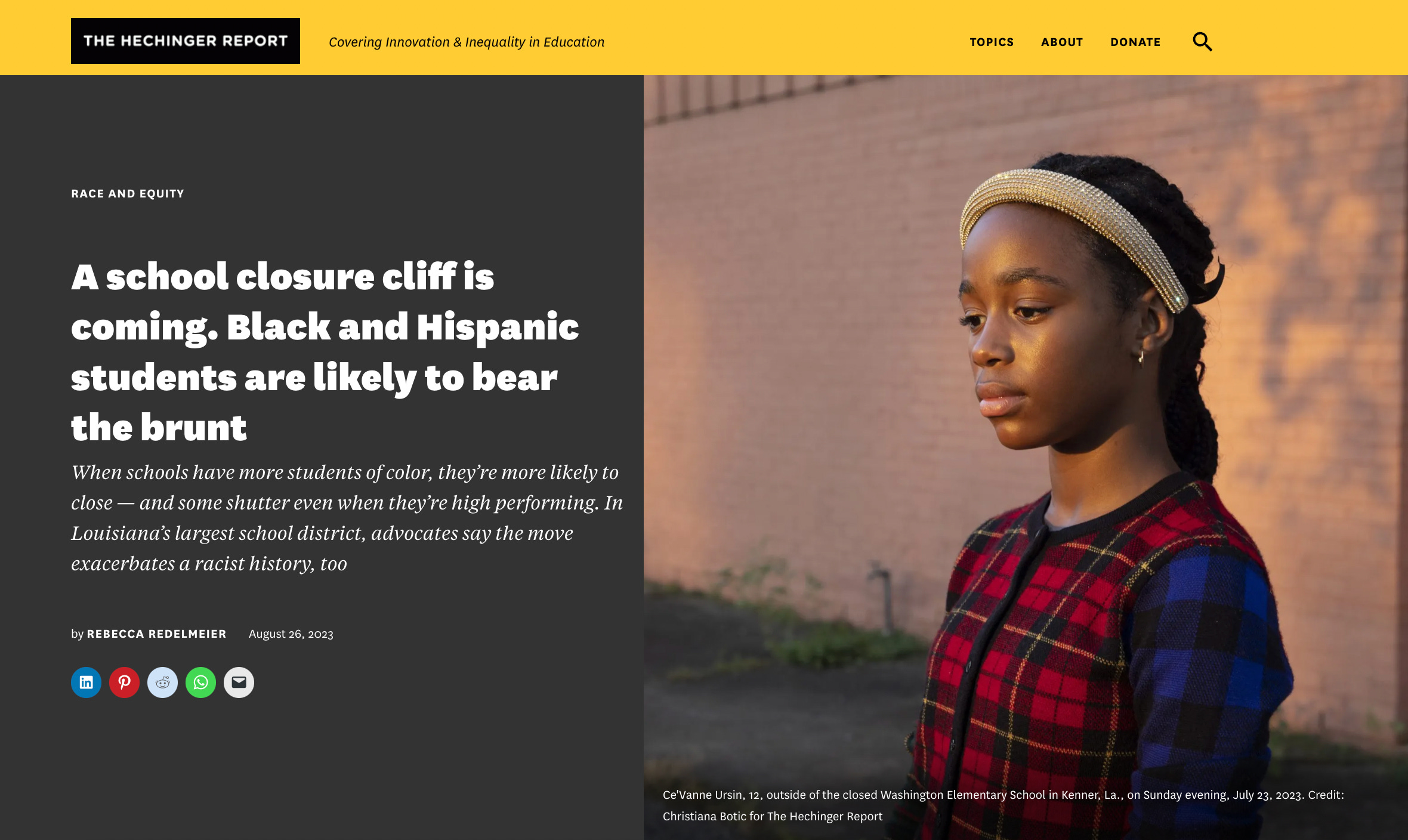
Families impacted by the closing of schools in Jefferson Parish for The Hechinger Report:
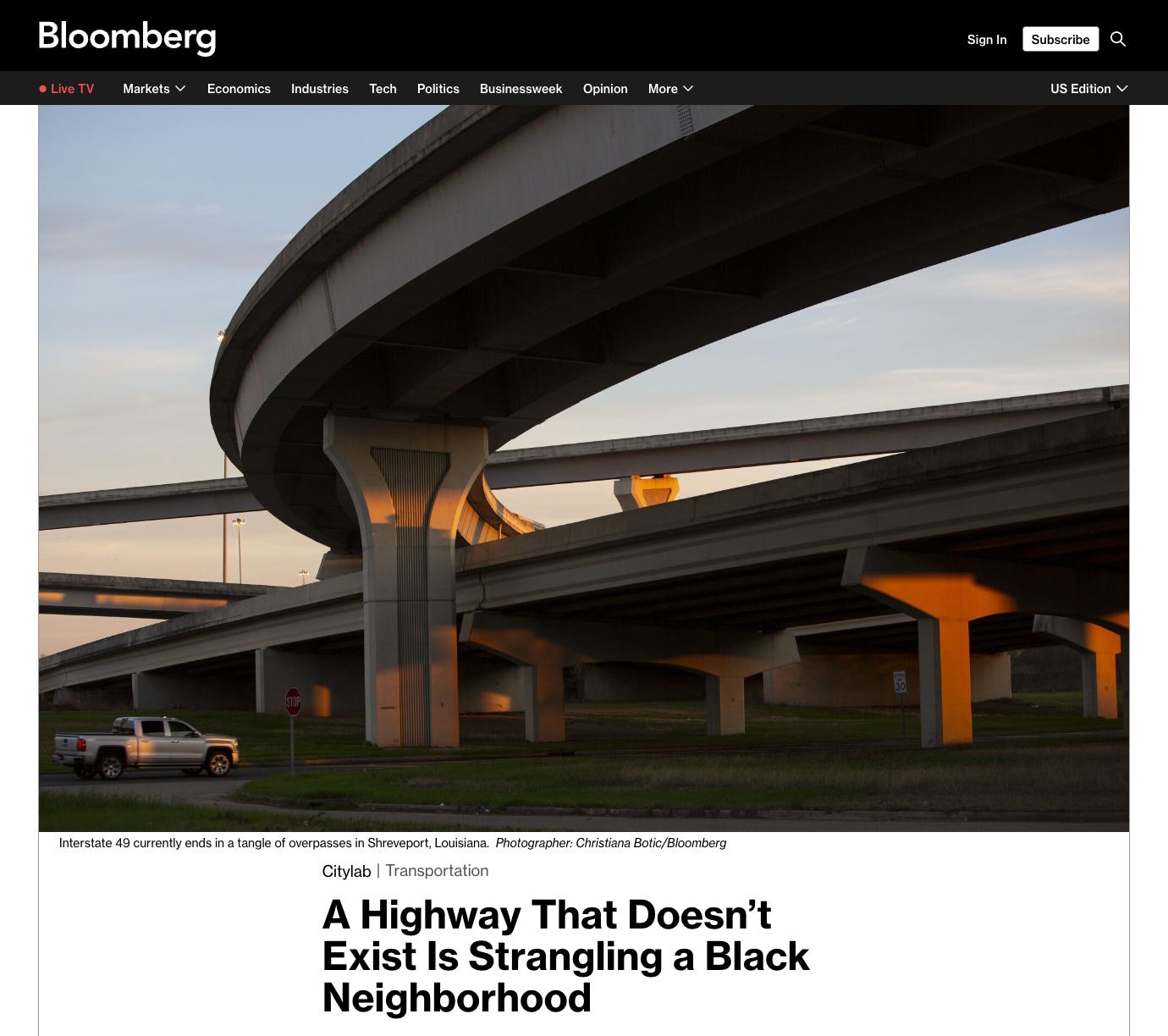
A community fighting highway expansion in Shreveport for Bloomberg:
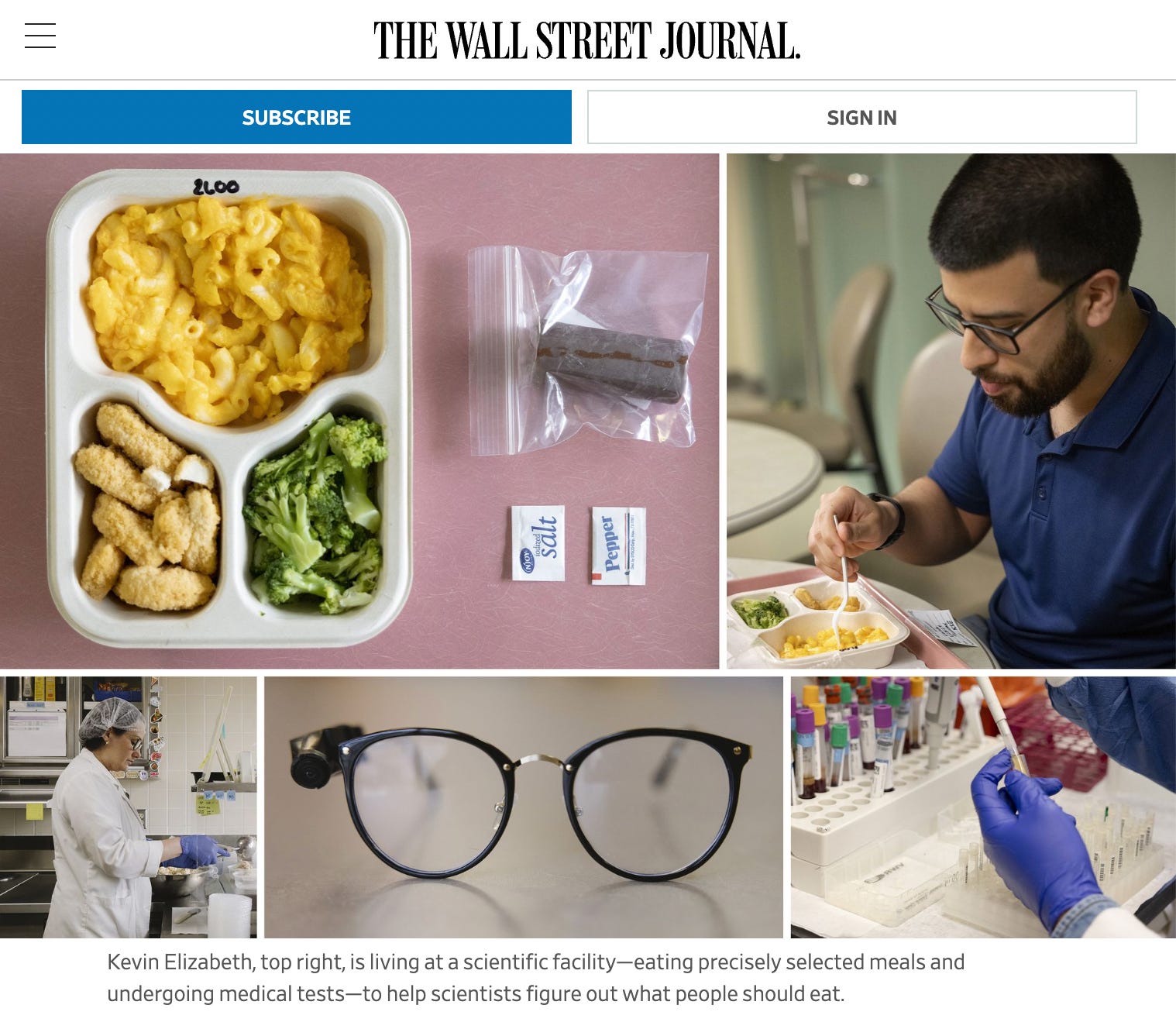
The national nutrition study being conducted in Baton Rouge for The Wall Street Journal:
Take care, and go smell the jasmine if you’ve got it.